
Case Study
Real-world examples of digital innovation delivering measurable outcomes
CARES Cloud
We engaged with CARES and a global supply chain and developed technology to facilitate the provision of real-time data throughout the rebar supply chain.
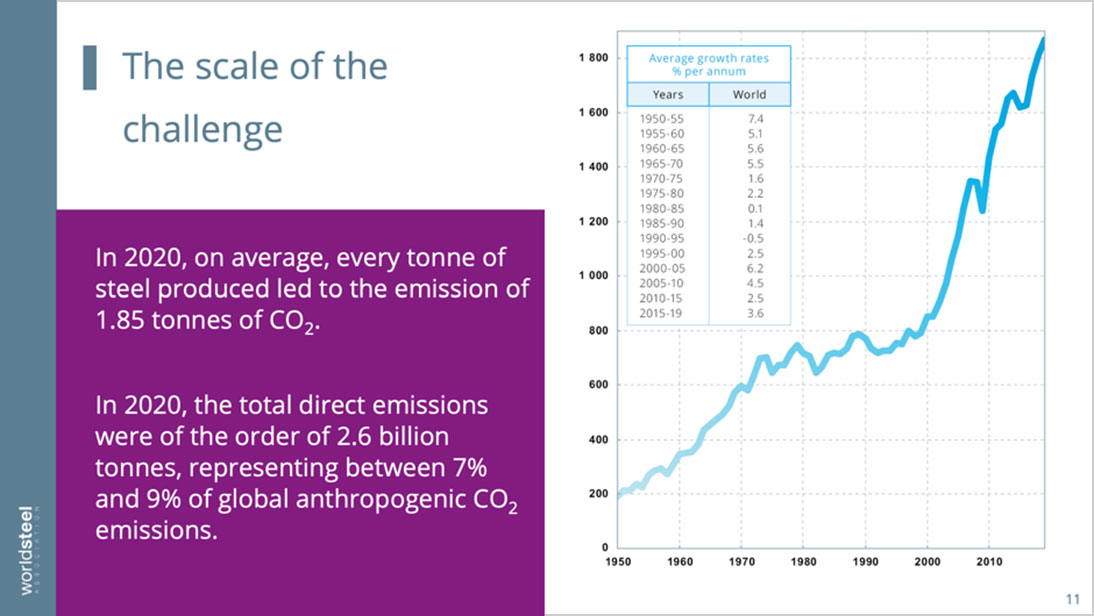
The digitization of Global Warming Potential (GWP) data, focusing on carbon dioxide equivalent (CO2e) emissions per tonne of product, plays a vital role in supporting decarbonization endeavours.
By effectively disseminating this information to design engineers, fabricators, contractors, and clients, it becomes feasible to evaluate and mitigate the "embodied carbon" impact associated with a product or project, facilitating the implementation of reduction strategies.
To address intricate supply chain challenges, restore trust, and streamline processes with transparency and certainty, the CARES Cloud and digital ecosystem were developed. As an independent certification body, CARES securely maintains verified digital data for reinforcing products.
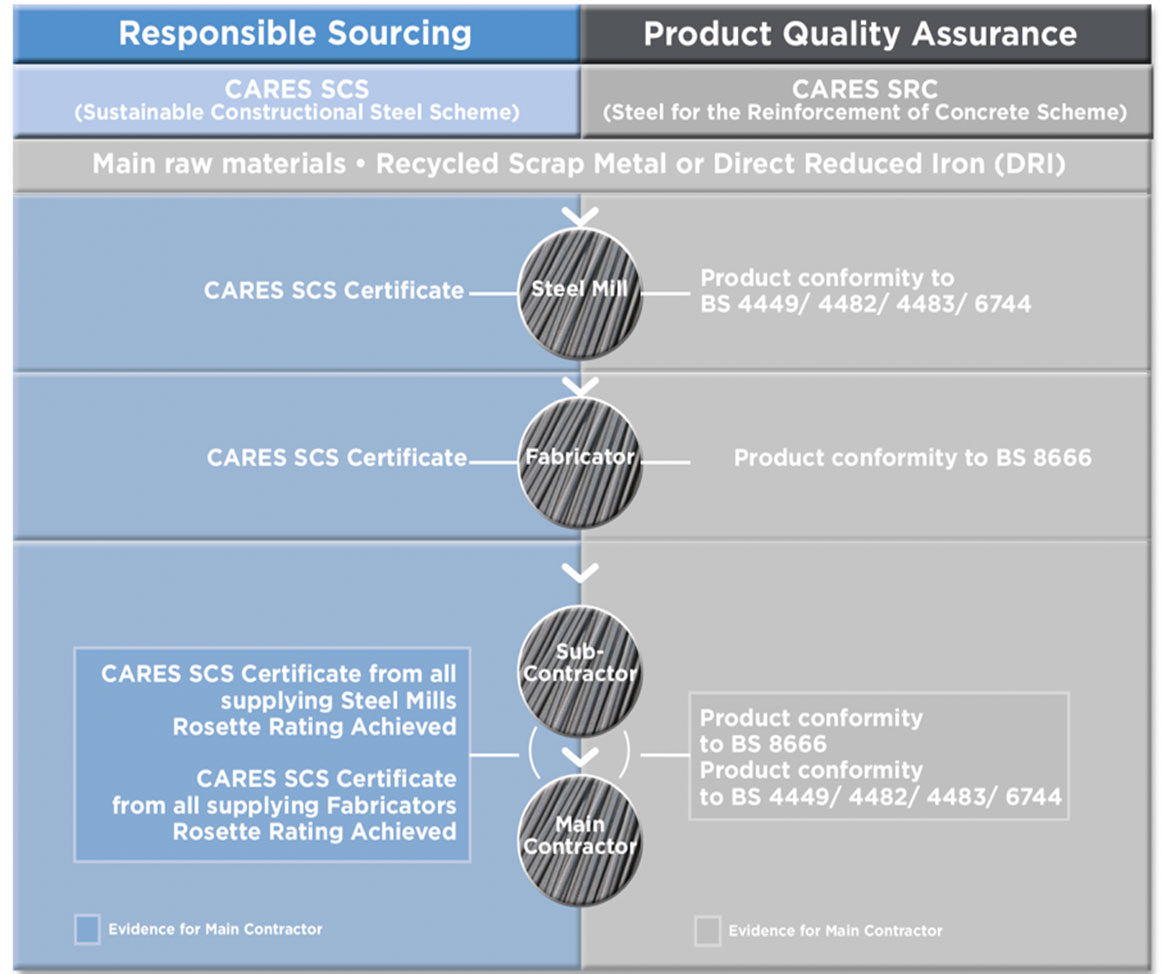
Through collaboration with stakeholders, the CARES Cloud traces the journey of each batch of reinforcing steel, ensuring compliance, carbon footprint data, and sustainability credentials align with client specifications and building rating systems.
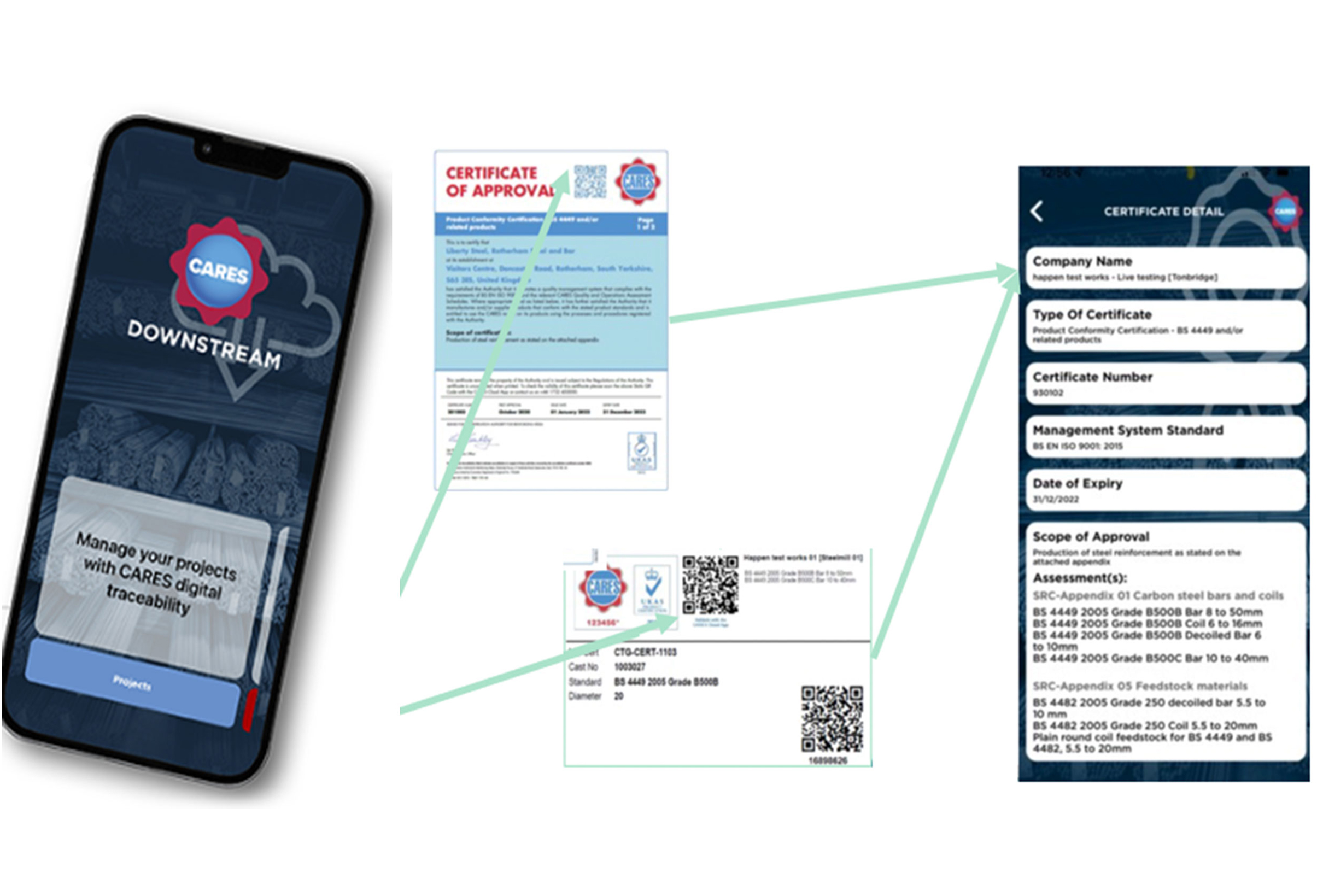
This cloud-based solution offers precise product information, assurance evidence, and seamless integration with other systems. It replaces manual procedures, enhances productivity, and enables value-based procurement. CARES has successfully implemented its Cloud capability on construction projects worldwide, showcasing real-time access to provenance data, digital authentication of certificates, and cost savings through digital material recording.
In order to address the environmental challenges faced by the industry, our objective was to establish a comprehensive framework that would guide our development work.
Through thorough research, our team aimed to equip the industry with the necessary information and data to make well-informed decisions. Our strategy focused on providing clients and stakeholders with the knowledge required to drive positive change.
Several key themes emerged from our research, including:
- Material Impact: Recognizing the significant environmental impact of materials throughout their life cycle, encompassing extraction, processing, use, and disposal. We emphasized the importance of understanding this impact and leveraging the knowledge to make sustainable material strategies.
- Life Cycle Assessment (LCA): We advocated for the adoption of LCA as a comprehensive evaluation tool, enabling the assessment of energy consumption, resource utilization, and emissions associated with materials. This approach assists in identifying areas for improvement.
- Resource Efficiency: Our strategy aimed to achieve more with fewer materials by promoting strategies such as material reduction, recycling, and designing products for durability, all of which contribute to minimizing the environmental footprint of material consumption.
- Circular Economy: We emphasized the transition to a circular economy, where materials are reused, recycled, or repurposed to minimize waste and conserve resources.
- Technology and Innovation: We recognized the role of technology and innovation in driving sustainable material practices, leveraging advancements to support more environmentally friendly approaches.
- Policy and Decision-making: We highlighted the importance of policy frameworks in promoting sustainable material practices, advocating for the integration of environmental considerations into decision-making processes. We also recommended policy interventions to encourage sustainable material consumption.
Mills & Fabricators
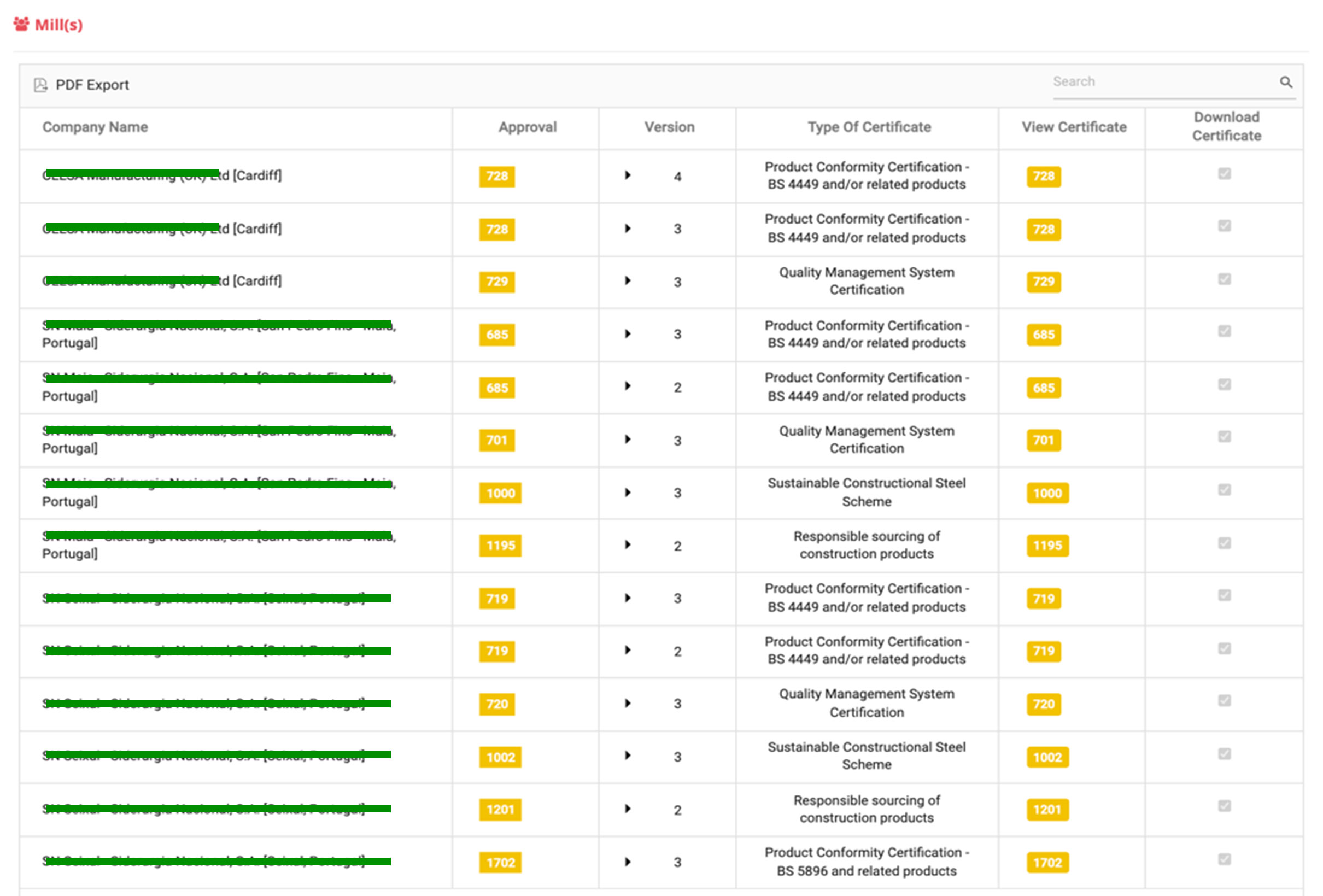
The Technology developed by us captures the carbon footprint data from more than 140 rebar mills certified by CARES.
However, using carbon as a driver in design and construction is still in its infancy. We are again innovating in conjunction with CARES & the HS2 programme, where we are measuring and analysing all aspects of rebar across the value stream on four projects including: HS2 Euston - Enabling Works Piling, HS2 Euston - Upper Wall Package and HS2 Euston - Traction Substation Piling.
Benefits
The measured benefits derived from the implementation of the software include:
1. Enhanced Site Productivity: By adopting digital recording of material receipt and eliminating paper-based record sheets, operational time and costs were reduced.
2. Accurate As-Built Carbon Accounting: The software enables precise collection and reporting of carbon footprint data for all Rebar manufacturers and their respective tonnages.
3. Carbon Footprint Reduction: Procurement decisions can be made based on informed choices, favouring lower emission steel sources.
4. Contribution to Decarbonization: The carbon savings and digital data exchange offered by the software support corporate commitments to reduce carbon emissions, aligning with defined pathways.
5. Data Sharing and Integration: The software allows for seamless integration with software like Optimize and others through a secure API. This facilitates automatic integration of data, including accurate carbon information.
6. Reduced Rebar Wastage: Digital delivery confirmation, including GPS coordinates, reduces on-site rebar loss, duplicate orders, and misuse, resulting in minimized wastage.
7. Improved Assurance Processes: The software enhances assurance processes by providing detailed evidence and easily accessible product information. All certificates of approval from Rebar manufacturers and fabricators, including revisions, are recorded, accessible, and summarized online.
8. Design Enhancement: Clients and their structural engineers can better understand the environmental impact of their designs based on as-built data, enabling informed design decisions and preference for lower emission steel sources. Additionally, digital information stored in Building Information Management (BIM) systems can facilitate a better understanding of future design options and subsequent structural optimisation.
9. Future-Proofing: The software aligns with current and forthcoming regulatory requirements for safety-critical products like reinforcing steel, as defined in the Building Safety Act 2022 and upcoming secondary regulations. It ensures compliance with the 'Golden Thread' of information.